When and Why Root Canal Treatment Becomes Necessary for Tooth Preservation
Tooth pain has a way of demanding attention. It starts as mild sensitivity, then turns into a sharp jolt when you sip something hot or cold. Sometimes it becomes a deep, throbbing ache that keeps you awake at night. Here’s the thing most people don’t realize: that kind of pain is often a sign that the inner part of your tooth is infected. And when that happens, saving the tooth usually means one thing, a root canal.
If you’ve been told you might need one, don’t panic. Let’s break down when and why Root Canal Treatment in South Bopal becomes necessary, and how it actually helps preserve your natural tooth instead of removing it.
Understanding the Inside of a Tooth
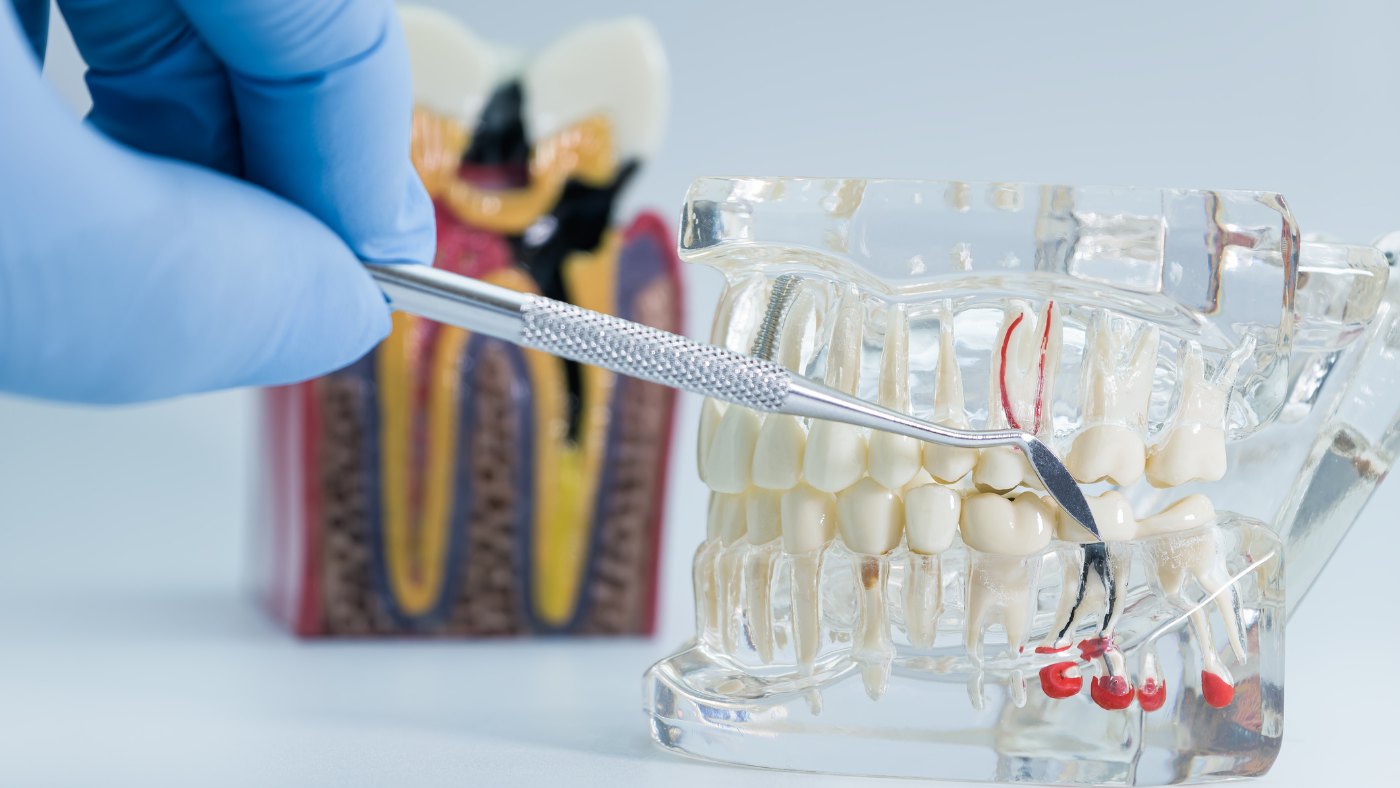
On the outside, your tooth looks solid and strong. Underneath the enamel and dentin lies a soft tissue called the pulp. This pulp contains nerves, blood vessels, and connective tissue.
When bacteria enter this inner chamber due to deep decay, cracks, trauma, or repeated dental procedures, the pulp becomes inflamed or infected. Once that infection sets in, it doesn’t heal on its own. In fact, it spreads.
That’s where Root Canal Treatment comes in. It removes the infected pulp, cleans the inside of the tooth, disinfects it, and seals it to prevent further damage. The outer structure remains intact, which means you get to keep your natural tooth.
When Does a Root Canal Become Necessary?
Not every cavity leads to a root canal. But certain conditions make it unavoidable.
- Deep Tooth Decay
If decay isn’t treated early, it gradually moves inward. Once it reaches the pulp, the infection begins. At this stage, a simple filling is no longer enough.
- Persistent Tooth Pain
Pain that lingers even after removing the trigger (like hot or cold food) often signals nerve involvement. If the pain becomes spontaneous or wakes you up at night, it’s a red flag.
- Swelling or Gum Boils
A small pimple-like swelling on the gums near a tooth can indicate an abscess. This means infection has traveled beyond the tooth root.
- Cracked or Broken Tooth
Injury or cracks allow bacteria to seep inside. Even if the crack seems minor, the internal damage can be serious.
- Prolonged Sensitivity
Sharp sensitivity that doesn’t fade quickly may point to pulp inflammation.
When any of these signs appear, delaying treatment increases the risk of tooth loss.
Why Tooth Preservation Matters
You might wonder: if the tooth is infected, why not just remove it?
Here’s what happens when you extract a tooth:
- Nearby teeth start shifting
- Bite alignment changes
- Chewing becomes uneven
- Bone in that area begins to shrink
A missing tooth affects more than just appearance. It affects function, structure, and long-term oral health.
Root Canal Treatment allows you to preserve your natural tooth, maintain jaw structure, and avoid costly replacements like implants or bridges.
What Actually Happens During a Root Canal?
There’s a lot of fear around this procedure, mostly outdated myths. Modern dentistry has changed the experience completely.
Here’s the simplified process:
- Local anesthesia numbs the area.
- The dentist creates a small opening in the tooth.
- Infected pulp is removed.
- The canals are cleaned and disinfected.
- The space is filled and sealed.
- A crown is often placed for protection.
That’s it. No drama. No unbearable pain. In fact, the procedure relieves pain rather than causing it.
Why a Crown Is Often Recommended
After the pulp is removed, the tooth no longer has a blood supply. That makes it slightly more brittle over time.
Placing a crown strengthens the tooth and prevents fracture. If you want to understand why a crown plays such a crucial role after treatment, you can read more about it here:
Ensuring long-term success after root canal treatment
The combination of proper cleaning, sealing, and crowning ensures the tooth functions normally for years.
How Infection Spreads Without Treatment
Let’s talk about what happens if you ignore the problem.
When pulp infection is left untreated:
- Pain intensifies
- Infection spreads to surrounding bone
- Facial swelling may occur
- Fever and systemic infection can develop
In severe cases, untreated dental infections can even become life-threatening. What starts as a toothache can escalate quickly.
Early intervention keeps the issue localized and manageable.
Is Root Canal Treatment Painful?
This is the biggest myth.
Modern Root Canal Treatment feels similar to getting a filling. The pain people associate with it usually comes from the infection itself, not the procedure.
With proper anesthesia and advanced tools, most patients report immediate relief afterward.
How Long Does a Treated Tooth Last?
With good oral hygiene and regular dental checkups, a root canal-treated tooth can last decades. Some even last a lifetime.
The key factors are:
- Proper sealing of the canal
- Placement of a well-fitted crown
- Maintaining oral hygiene
- Regular dental visits
That’s why choosing an experienced clinic matter.
Choosing the Right Clinic for Treatment
If you’re considering Root Canal Treatment in South Bopal, expertise and technology make a difference.
At White Pearls Dental Clinic, the focus is not just on treating infection but on preserving your natural smile. Advanced equipment, digital imaging, and patient-focused care ensure that the process is precise and comfortable.
The goal is simple: remove the infection, protect the tooth, and restore full function without unnecessary procedures.
Early Warning Signs You Shouldn’t Ignore
Many patients wait until pain becomes unbearable. But early detection can simplify treatment.
Watch out for:
- Tooth discoloration
- Lingering sensitivity
- Pain while chewing
- Gum tenderness
- A chipped tooth
If you notice any of these, getting evaluated early could mean the difference between a simple procedure and a complicated one.
Root Canal vs. Extraction: A Practical Comparison
Let’s be practical.
Extraction seems quicker at first. But once the tooth is removed, you’ll likely need:
- An implant
- A bridge
- Or a removable denture
Each option costs more and involves additional procedures.
Root Canal Treatment preserves what you already have. It’s often more conservative and cost-effective in the long run.
Psychological Relief After Treatment
Here’s something people don’t talk about enough, the mental relief.
Chronic tooth pain affects sleep, mood, work performance, and even social interactions. Once the infection is treated, patients often describe a sense of calm and comfort they hadn’t realized they were missing.
Tooth preservation isn’t just about structure. It’s about quality of life.
Preventing the Need for a Root Canal
While the treatment is effective, prevention is always better.
You can reduce your risk by:
- Brushing twice daily
- Flossing regularly
- Limiting sugary foods
- Getting routine dental cleanings
- Treating cavities early
Routine checkups allow dentists to detect deep decay before it reaches the pulp.
Final Thoughts
Root Canal Treatment becomes necessary when infection reaches the inner core of a tooth and threatens its survival. It’s not a last resort; it’s a preservation strategy.
Instead of losing a natural tooth and dealing with replacements, this procedure eliminates infection while maintaining structure and function.
If you’re experiencing persistent pain or symptoms, don’t wait. Acting early protects not just one tooth, but your entire oral health.
And if you’re exploring Root Canal Treatment in South Bopal, White Pearls Dental Clinic offers the expertise and care needed to make the process smooth and stress-free.
Saving your natural tooth is almost always the better choice. The sooner you act, the simpler it becomes.