

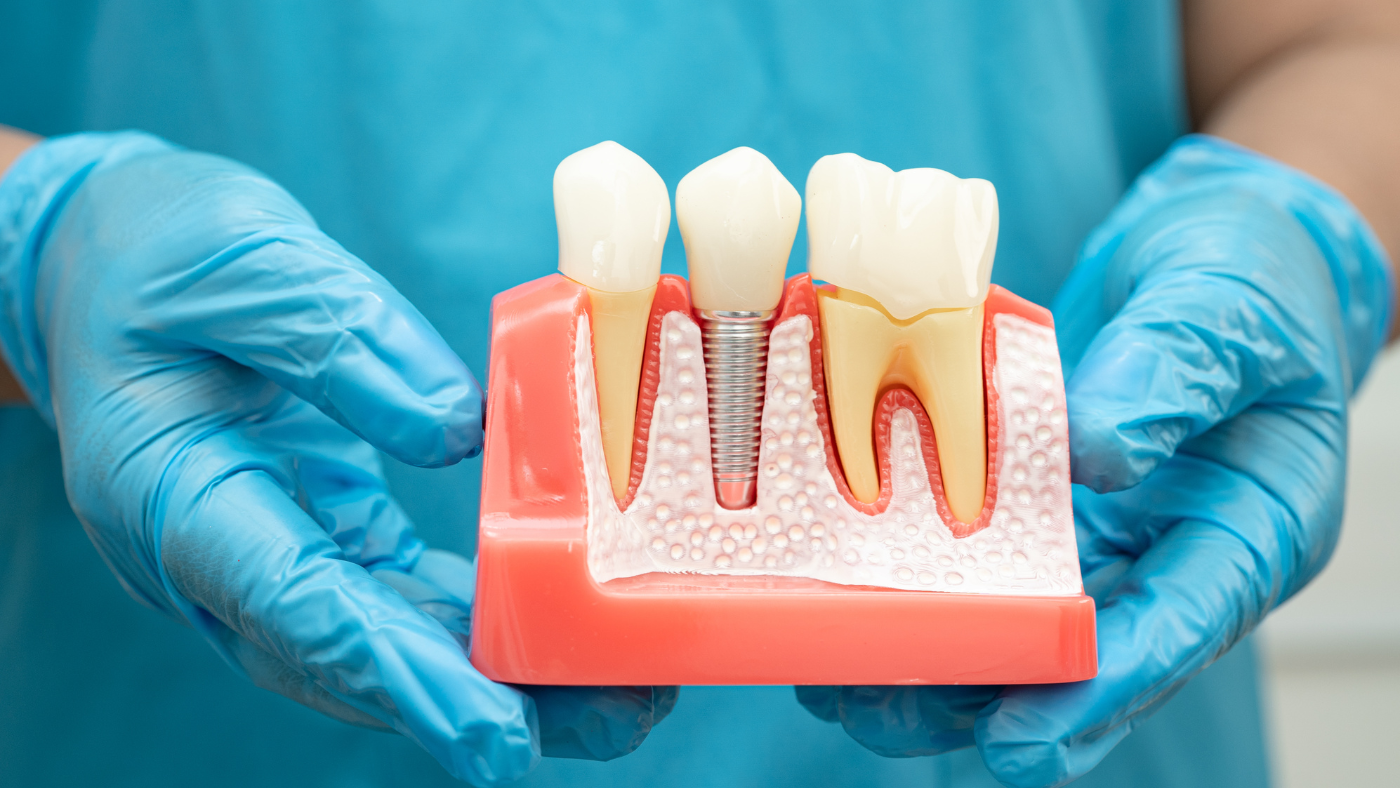
Advanced Root Canal Treatment with Modern Technology for Comfortable and Effective Tooth Infection Care
Tooth pain can be one of the most uncomfortable experiences anyone can face. Often, this pain is caused by a deep infection inside the tooth that cannot heal on its own. When bacteria reach the inner pulp of a tooth, it can lead to swelling, sensitivity, and severe discomfort. Fortunately, modern dentistry offers an advanced solution that can save the tooth while eliminating pain. One of the most effective procedures used by dentists today is Root Canal Treatment in Shela, which helps remove infection and restore the health of the tooth without the need for extraction.
Root canal procedures have evolved significantly over the years. What once had a reputation for being painful has now become a comfortable and precise dental procedure thanks to advanced technology. Today, Root Canal Treatment in Shela is performed using modern equipment, digital diagnostics, and improved techniques that focus on patient comfort and faster healing. These advancements allow dentists to treat infected teeth efficiently while preserving the natural tooth structure.
Understanding Tooth Infection and Why It Happens
Inside every tooth lies a soft tissue known as dental pulp. This pulp contains nerves, blood vessels, and connective tissue that help the tooth grow during its early development. However, once the tooth is fully matured, it can survive without the pulp because surrounding tissues continue to provide nourishment.
When bacteria enter the tooth through deep cavities, cracks, or trauma, the pulp can become infected. If left untreated, this infection can spread to surrounding tissues, causing severe pain and potentially leading to abscess formation.
Common causes of pulp infection include:
- Deep tooth decay
- Repeated dental procedures on the same tooth
- Cracked or chipped teeth
- Injury to the tooth
- Untreated cavities
Symptoms that may indicate the need for a root canal include persistent tooth pain, sensitivity to hot or cold, swollen gums, tooth discoloration, and pain while chewing. Early diagnosis and treatment are essential to prevent the infection from spreading further.
What Is a Root Canal Treatment?
A root canal treatment is a dental procedure designed to remove infected pulp from inside the tooth. The goal of the procedure is to eliminate bacteria, clean the infected root canals, and seal the tooth to prevent future infection.
The treatment involves several important steps. First, the dentist carefully removes the infected pulp. Then the inner canals of the tooth are cleaned and disinfected using specialized instruments. Once the infection is cleared, the canals are filled with a biocompatible material that seals the tooth and protects it from reinfection.
Finally, the tooth is restored with a filling or crown to bring back its strength and function.
How Modern Technology Has Improved Root Canal Treatments
Modern dentistry has transformed root canal procedures into a much more comfortable and efficient experience. Advanced technology allows dentists to diagnose problems more accurately and perform treatments with greater precision.
Some of the most important technological advancements include:
Digital X-Rays
Digital imaging helps dentists identify the extent of infection quickly and accurately. Compared to traditional X-rays, digital X-rays provide clearer images and expose patients to significantly less radiation. This allows dentists to detect even small infections that might otherwise go unnoticed.
Rotary Endodontic Instruments
Traditional manual tools have been replaced in many clinics by rotary instruments that use advanced motor technology. These instruments allow dentists to clean the root canals more precisely while reducing treatment time. Patients benefit from a smoother and more efficient procedure.
Apex Locators
An apex locator is a device used to determine the exact length of the root canal. Accurate measurement is essential for successful treatment because it ensures that the infected tissue is completely removed while preserving healthy tooth structure.
Dental Microscopes
Dental microscopes help dentists see the inside of the tooth with extreme clarity. This technology allows them to locate tiny canals and hidden infections that might otherwise be difficult to detect.
Advanced Disinfection Systems
Modern irrigation and disinfection techniques help eliminate bacteria deep inside the root canal system. These methods significantly increase the success rate of the treatment and reduce the chances of reinfection.
Why Root Canal Treatment Is Better Than Tooth Extraction
Many people assume that removing a damaged tooth is easier than treating it. However, preserving natural teeth is always the preferred option in dentistry whenever possible.
Keeping the natural tooth offers several advantages:
- Maintains proper chewing ability
- Preserves natural smile aesthetics
- Prevents shifting of surrounding teeth
- Maintains jawbone strength
- Eliminates the need for more complex replacements
A root canal allows patients to keep their original tooth while eliminating infection and discomfort.
Is Root Canal Treatment Painful?
One of the biggest misconceptions about root canal procedures is that they are extremely painful. In reality, modern techniques and local anesthesia make the treatment very comfortable.
Most patients report that the procedure feels similar to getting a regular dental filling. Dentists carefully numb the area before starting the treatment, ensuring that patients experience minimal discomfort.
In fact, root canal treatment actually relieves pain rather than causing it. Once the infected pulp is removed, the pressure and inflammation inside the tooth are eliminated, providing immediate relief.
What to Expect During the Procedure
The process of root canal treatment typically takes one or two dental visits depending on the severity of the infection.
During the procedure, the dentist will follow these steps:
- Administer local anesthesia to numb the tooth and surrounding area.
- Place a protective dental dam to keep the tooth dry and clean.
- Create a small opening in the tooth to access the infected pulp.
- Remove the infected tissue from inside the canals.
- Clean and disinfect the root canal system.
- Fill the canals with a special sealing material.
- Restore the tooth with a filling or crown.
The entire process is designed to remove infection while preserving the natural structure of the tooth.
Recovery After Root Canal Treatment
Recovery from a root canal procedure is usually quick and straightforward. Most patients can return to their normal routine shortly after the appointment.
Some mild tenderness may occur for a few days as the surrounding tissues heal. This discomfort is generally manageable with over-the-counter pain medication.
Patients are typically advised to:
- Avoid chewing hard foods on the treated tooth until the final restoration is placed
- Maintain good oral hygiene
- Brush and floss regularly
- Visit the dentist for follow-up appointments
Once the tooth is fully restored with a crown, it can function just like a natural tooth.
Long-Term Success of Root Canal Treatment
Root canal treatments have a very high success rate when performed using proper techniques and advanced equipment. In many cases, a treated tooth can last a lifetime with proper care.
Maintaining good oral hygiene is essential for protecting the treated tooth and preventing future dental problems. Regular dental checkups also help ensure that any issues are detected early.
Key tips for long-term dental health include:
- Brushing twice daily with fluoride toothpaste
- Flossing regularly
- Avoiding excessive sugary foods
- Scheduling routine dental checkups
- Using protective mouthguards during sports
These simple habits can help maintain both natural and treated teeth for many years.
The Importance of Early Dental Care
Ignoring tooth pain can lead to serious dental complications. When infections are left untreated, they can spread to surrounding tissues and even affect overall health.
Early dental care allows dentists to detect infections before they become severe. Prompt treatment not only relieves pain but also prevents the need for more complex procedures in the future.
Regular dental visits play a crucial role in maintaining oral health. Dentists can identify early signs of cavities, gum disease, and other dental concerns before they develop into major problems.
Choosing the Right Dental Clinic for Advanced Root Canal Treatment
The success of a root canal procedure depends greatly on the expertise of the dentist and the technology used in the clinic. Modern dental facilities equipped with advanced tools can provide more precise diagnoses and more comfortable treatment experiences.
Patients should look for clinics that emphasize modern dental technology, experienced professionals, and patient-focused care. A well-equipped clinic ensures that each step of the treatment is performed with accuracy and attention to detail.
Dentists who specialize in endodontic procedures are trained to handle complex root canal cases and use advanced techniques that improve success rates while minimizing discomfort.
Final Thoughts
Advanced dental technology has transformed root canal treatment into a safe, efficient, and comfortable procedure. Instead of fearing the treatment, patients can now feel confident knowing that modern dentistry focuses on both effectiveness and patient comfort.
By removing infection and preserving the natural tooth, root canal treatment helps restore oral health and prevent further complications. With early diagnosis, proper care, and advanced dental techniques, patients can maintain strong and healthy teeth for many years.
For individuals seeking expert care and modern dental solutions, professional treatment from experienced specialists at White Pearls Dental Clinic ensures that patients receive reliable and comfortable dental care tailored to their needs.