Why You Shouldn’t Ignore Your Wisdom Teeth: Risks of Delaying Surgery in 2026
Wisdom teeth have a reputation. For some people, they come in quietly and never cause trouble. For many others, they arrive like an uninvited guest and refuse to leave without creating chaos. Here’s the thing: ignoring wisdom teeth problems rarely makes them go away. In fact, delaying treatment often turns a manageable issue into a painful, expensive, and time-consuming one.
In 2026, with better diagnostics, safer procedures, and faster recovery times, there’s very little reason to put off wisdom tooth treatment. Yet people still do. Let’s break down why delaying surgery can be risky and why timely care matters more than you think.
What Are Wisdom Teeth and Why Do They Cause Problems?
Wisdom teeth are the last set of molars, usually erupting between the ages of 17 and 25. Our jaws today are smaller than those of our ancestors, which means there often isn’t enough space for these teeth to grow properly.
When wisdom teeth don’t have enough room, they may:
- Grow at an angle
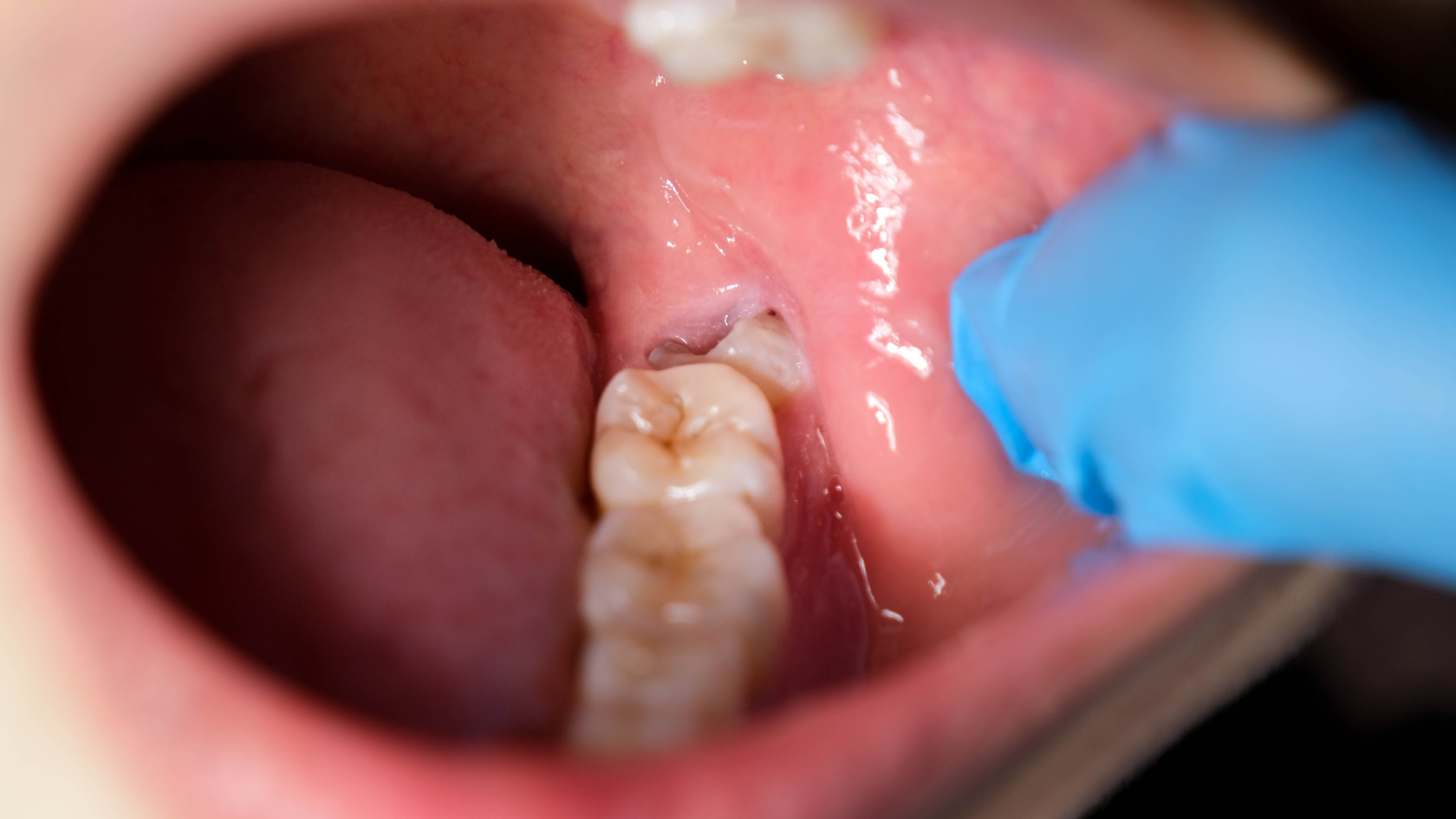
- Stay partially trapped under the gums
- Remain completely impacted inside the jawbone
These situations are where problems begin.
Early Warning Signs You Shouldn’t Ignore
Many people wait until the pain becomes unbearable. That’s a mistake. Wisdom tooth issues often start quietly. Some early signs include:
- Persistent jaw pain or stiffness
- Swollen or bleeding gums at the back of the mouth
- Bad breath that doesn’t improve with brushing
- Headaches or ear pain
- Difficulty opening your mouth fully
Ignoring these signs doesn’t stop the damage. It just delays the inevitable.
The Real Risks of Delaying Wisdom Tooth Surgery
- Infection and Gum Disease
Partially erupted wisdom teeth create a perfect hiding spot for food particles and bacteria. This can lead to pericoronitis, a painful gum infection. Left untreated, the infection can spread to nearby tissues, the jawbone, or even into the bloodstream in severe cases.
What starts as mild discomfort can turn into facial swelling, fever, and intense pain.
- Damage to Nearby Teeth
An impacted wisdom tooth often presses against the second molar next to it. Over time, this pressure can:
- Wear down enamel
- Cause cavities that are hard to detect
- Lead to bone loss around healthy teeth
You might end up losing a perfectly good tooth simply because the wisdom tooth wasn’t removed on time.
- Cysts and Jawbone Damage
One of the lesser-known risks is cyst formation. Impacted wisdom teeth can develop fluid-filled sacs that slowly destroy surrounding bone and tissue. These cysts may not cause immediate pain, which is why many people miss them until serious damage has already occurred.
Treatment at that stage is more complex and far more expensive.
- Increased Pain and Complicated Surgery Later
Younger patients generally heal faster. As you age, bones become denser and recovery slows down. Delaying surgery until your 30s or 40s often means:
- Longer healing time
- Higher risk of complications
- More post-surgical discomfort
What could have been a simple procedure becomes a more involved surgical process.
- Chronic Headaches and Jaw Issues
Wisdom teeth can alter your bite and strain your jaw muscles. This may trigger:
- Frequent headaches
- Jaw clicking or locking
- Facial pain mistaken for sinus problems
People often treat the symptoms without realizing the root cause lies in the back of their mouth.
Why 2026 Is the Right Time to Act
Dental technology has advanced significantly. In 2026, wisdom tooth removal is safer, quicker, and more precise than ever before.
Modern clinics now use:
- Advanced digital X-rays for accurate diagnosis
- Minimally invasive surgical techniques
- Improved anesthesia options for comfort
- Faster recovery protocols
Delaying treatment no longer makes sense when solutions are this effective.
Choosing the Right Dental Care Matters
If you’re considering Wisdom Tooth Removal in Bopal, choosing an experienced and well-equipped clinic makes all the difference. Proper evaluation, clear communication, and skilled surgical care reduce anxiety and improve outcomes.
At White Pearls Dental Clinic, patients receive a detailed assessment before any procedure. The focus isn’t just on removing the tooth, but on ensuring long-term oral health and a smooth recovery.
As a trusted Dental Clinic in Bopal, the clinic emphasizes patient education. You’ll understand why removal is recommended, what the procedure involves, and how to care for yourself afterward.
What Happens If You Do Nothing?
Let’s be clear. Doing nothing is still a decision, and usually not a good one. Untreated wisdom tooth problems tend to worsen over time. Pain becomes more frequent. Infections return. Costs increase. And what could have been a planned procedure turns into an emergency visit.
Emergency extractions are rarely comfortable and often more stressful than scheduled treatment.
Recovery Is Easier Than You Think
One of the biggest reasons people delay surgery is fear of recovery. The reality is different. With proper care:
- Swelling usually subsides in a few days
- Most patients return to normal routines within a week
- Pain is manageable with prescribed medication
Following post-operative instructions makes a huge difference. Soft foods, good oral hygiene, and rest go a long way.
Final Thoughts
Wisdom teeth don’t always cause problems, but when they do, ignoring them is rarely harmless. Delaying surgery can lead to infections, damaged teeth, jaw issues, and complicated treatments later on.
In 2026, there’s no need to wait for pain to force your hand. Early evaluation, informed decisions, and timely care protect your smile and your overall health.
If you’ve been postponing treatment or experiencing symptoms, now is the right time to act. Consulting a reliable clinic like White Pearls Dental Clinic for Wisdom Tooth Removal in Bopal can save you from unnecessary pain and long-term complications.
Your future self will thank you for not ignoring what your mouth has been trying to tell you all along.