Root Canal Aftercare: Dos and Don’ts for Protecting Your Treated Tooth
A root canal saves a tooth that would otherwise be lost. That’s the good news. The part many patients overlook is what happens after the treatment. Root canal aftercare plays a major role in how long your tooth lasts, how comfortable your recovery is, and whether you avoid future complications.
At White Pearls Dental Clinic, patients often ask the same question after treatment: “What should I do now to protect this tooth?” The answer is simple but important. Let’s break it down properly.
This guide covers everything you need to know after a root canal, including what to do, what to avoid, and how to make sure your treated tooth stays strong for years.
What to Expect After a Root Canal
After a root canal, it’s normal to experience mild discomfort, tenderness while biting, or slight swelling for a few days. The tooth may also feel different than before because the infected nerve has been removed.
Here’s the key thing to understand:
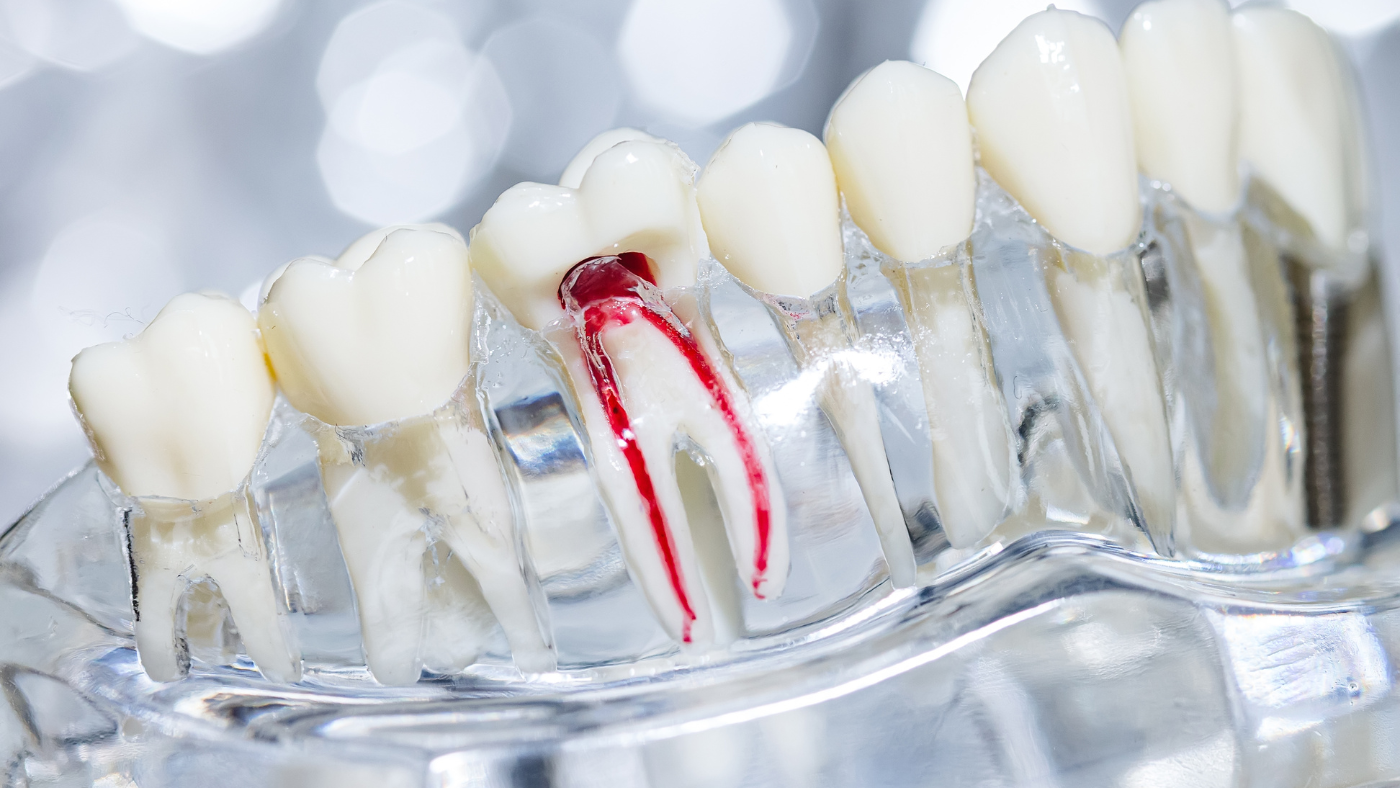
The tooth is no longer infected, but it still needs protection while it heals and until the final restoration (usually a crown) is placed.
Patients seeking Root Canal Treatment in South Bopal or Root Canal Treatment in Shela often assume the job is done once pain goes away. In reality, aftercare is what determines long-term success.
The Do’s of Root Canal Aftercare
- Take Prescribed Medications as Directed
If your dentist has prescribed pain relievers or antibiotics, take them exactly as advised. Even if discomfort feels manageable, completing the course helps reduce inflammation and prevents reinfection.
Avoid self-medicating or skipping doses. If pain persists beyond a few days, consult your dentist instead of adjusting medication on your own.
- Be Gentle While Chewing
For the first few days, chew on the opposite side of your mouth. The treated tooth may be temporarily weaker, especially if the permanent crown has not yet been placed.
Soft foods like rice, dal, yogurt, eggs, soups, and smoothies are ideal during this period. This reduces pressure and allows healing to progress smoothly.
- Maintain Excellent Oral Hygiene
A common myth is that treated teeth don’t need the same care. That’s wrong.
Brush twice daily using a soft-bristled toothbrush. Floss carefully around the treated tooth to remove plaque and food particles. Clean gums heal faster and reduce the risk of complications.
Good oral hygiene is one of the biggest factors in long-term root canal success.
- Attend Follow-Up Appointments
Your follow-up visit isn’t optional. This is when your dentist checks healing progress and plans the final restoration, usually a crown.
At White Pearls Dental Clinic, follow-ups are critical to ensure the tooth is sealed properly and protected from fractures or reinfection.
Skipping this step increases the chance of failure even if the root canal itself was done perfectly.
- Get a Crown When Recommended
A root canal-treated tooth becomes more brittle over time. A dental crown restores strength and prevents cracking.
If your dentist recommends a crown, don’t delay it. Many cases of root canal failure happen because patients postpone this step.
This is especially important for back teeth that handle heavy chewing pressure.
The Don’ts of Root Canal Aftercare
- Don’t Chew Hard or Sticky Foods
Avoid nuts, hard candy, ice, chewing gum, and sticky sweets until your dentist confirms the tooth is fully restored.
Even one hard bite can crack a weakened tooth, leading to additional treatment or extraction.
- Don’t Ignore Persistent Pain or Swelling
Some discomfort is normal. Pain that worsens, swelling that increases, or a bad taste in the mouth is not.
These symptoms could indicate infection, a missed canal, or delayed healing. Early intervention saves time, money, and discomfort.
If you’ve had Root Canal Treatment in South Bopal or Root Canal Treatment in Shela, reach out to your clinic immediately if symptoms feel unusual.
- Don’t Use the Tooth as a Tool
This sounds obvious, but it happens more often than you’d think. Avoid opening packets, biting nails, or tearing tape with your teeth.
A treated tooth is not designed for misuse, especially during the healing phase.
- Don’t Skip Daily Cleaning Because the Tooth “Feels Fine”
Pain relief does not mean healing is complete. Bacteria don’t need pain to cause damage.
Skipping brushing or flossing can lead to gum infection around the treated tooth, which affects long-term stability.
- Don’t Delay Professional Advice
If something feels off, trust that instinct. Waiting rarely improves dental problems.
Early follow-up can prevent retreatment or extraction, especially when addressed quickly.
How Long Does a Root Canal-Treated Tooth Last?
With proper care, a root canal-treated tooth can last a lifetime. The key factors include:
- Quality of the initial treatment
• Timely crown placement
• Consistent oral hygiene
• Regular dental checkups
At White Pearls Dental Clinic, patients are guided through each stage to ensure long-term success, not just short-term pain relief.
Why Aftercare Matters More Than You Think
A root canal doesn’t just remove pain. It preserves your natural tooth structure, jawbone health, and bite alignment.
Poor aftercare can undo excellent dental work. Good aftercare protects your investment and prevents future complications.
Patients seeking reliable Root Canal Treatment in South Bopal and Root Canal Treatment in Shela benefit most when treatment and aftercare go hand in hand.
Final Thoughts
Root canal treatment is a second chance for your tooth. What you do afterward determines whether that tooth stays strong or becomes vulnerable again.
Follow the do’s. Avoid the don’ts. Listen to your dentist. And never underestimate the power of simple habits done consistently.
If you’ve recently undergone treatment or are planning one, White Pearls Dental Clinic focuses not just on treatment, but on long-term tooth protection and patient comfort.
A healthy smile doesn’t end at the dental chair. It continues at home, every day.