What Actually Happens During a Wisdom Tooth Removal Procedure
Most people hear the words wisdom tooth removal and instantly picture pain, swelling, and a few days of eating only ice cream. The truth is much simpler. With the right dentist and the right preparation, the entire process becomes far less dramatic than people imagine. If you’re searching for Wisdom Tooth Removal in Shela, you probably want to understand what really happens in that dental chair before you book your appointment. Let’s break it down step by step so you know exactly what to expect.
If you’re closer to the South Bopal area and looking for Wisdom Tooth Removal in South Bopal, you’ll find that the procedure is almost always predictable and methodical. At White Pearls Dental Clinic, we follow a streamlined approach that keeps you comfortable, informed, and stress-free. Here’s the thing: once you understand the flow of the procedure, a lot of the fear simply disappears.
Step 1: The Initial Examination
Your journey usually starts with a consultation. The dentist begins by looking at your teeth, jaw structure, and gums. They might ask about pain, swelling, or food getting stuck near the wisdom teeth. After that, you’ll take an X-ray so the dentist can see the exact angle, depth, and position of the tooth hidden under the gums. This is the moment that helps them decide whether the extraction will be straightforward or slightly complex.
Most wisdom teeth don’t erupt in a neat, vertical line. They tilt, push against other teeth, and sometimes stay trapped inside the jawbone. This examination helps the dentist map out every move before they even start the procedure.
Step 2: Preparing You for the Procedure
Once the treatment plan is clear, the dentist will walk you through it in plain language. You’ll get instructions about eating, drinking, and medications if needed. On the day of removal, everything begins with local anesthesia. This is what numbs the area so you don’t feel pain. The sensation is similar to what you experience during a regular filling, just a bit longer lasting.
Some clinics offer sedation options for anxious patients. At White Pearls Dental Clinic, the focus is always on comfort, so if you’re nervous, your dentist will discuss ways to help you relax.
Step 3: Opening Up the Area
Once the area is numb, the dentist begins accessing the tooth. If the wisdom tooth has already erupted, this part is quick. If it’s still under the gums, a small incision is made. This gives the dentist a clear path to reach the tooth without affecting the rest of your mouth.
At this point, you feel pressure but not pain. Many people describe it as someone pushing on your jaw, nothing sharp, nothing sudden.
Step 4: Loosening and Removing the Tooth
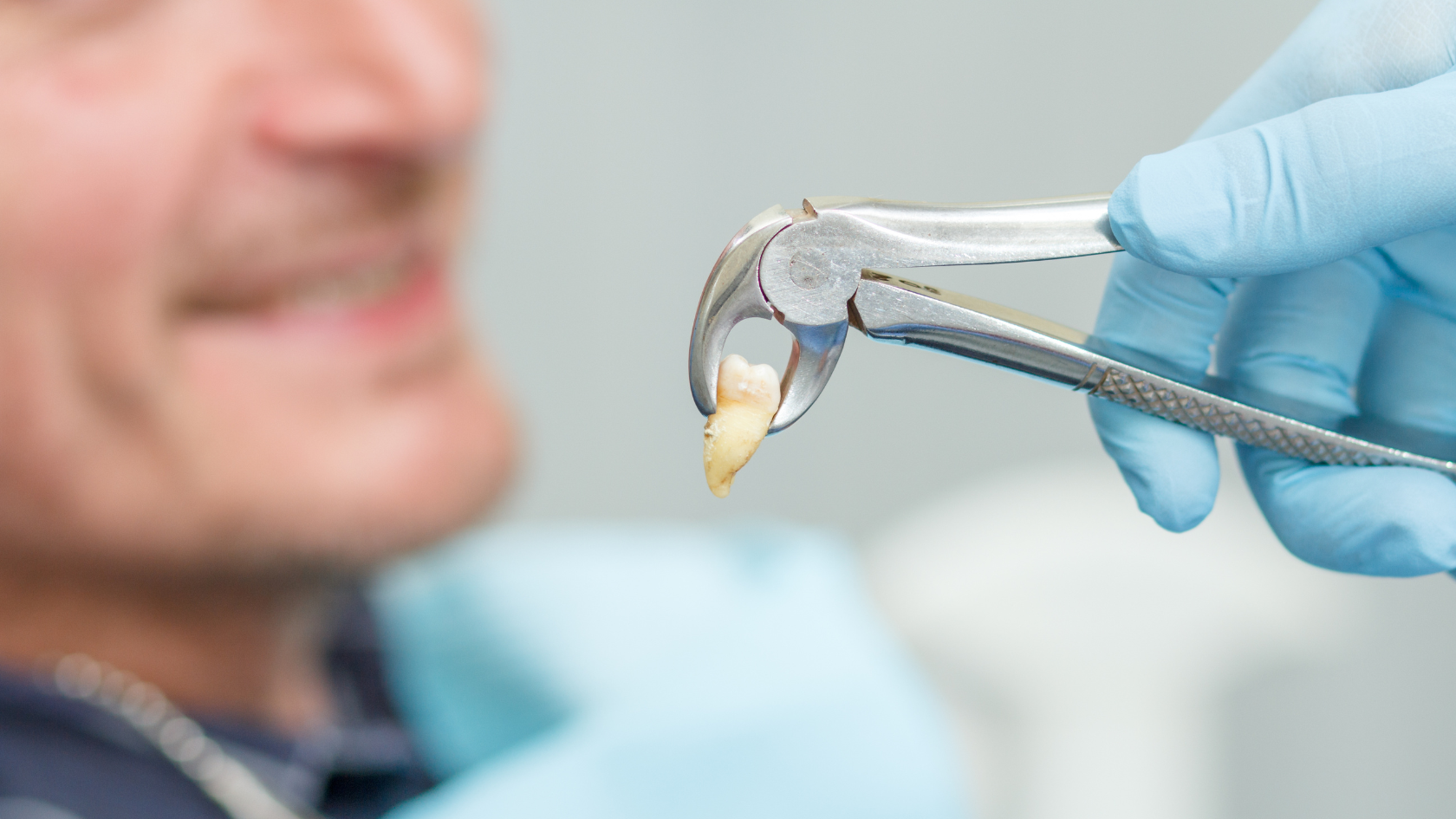
This is the part that sounds scary but isn’t. The dentist gently rocks the tooth back and forth to loosen it from the socket. If the tooth is too large or positioned at an angle, it may be sectioned into smaller pieces. This is absolutely normal and actually makes removal easier and faster.
You might hear some cracking sounds, but keep in mind this is just the pressure on the bone and tooth, not pain. The anesthesia keeps everything numb, so you only experience vibrations and pressure.
Step 5: Cleaning the Area
After the tooth is out, the dentist cleans the socket to remove small fragments or debris. This step helps prevent infection and promotes smooth healing. If an incision was made, a couple of dissolvable stitches are placed. These stitches usually disappear on their own within a week.
Cleaning and stitching take just a few minutes but are crucial for a healthy recovery.
Step 6: Placing Gauze and Starting the Healing
You’ll be given a piece of gauze to bite down on. This helps form a blood clot, which is the body’s natural way of healing the extraction site. Keeping this clot intact is very important. It’s what prevents a condition called dry socket, which can be painful.
Your dentist will hand over clear aftercare instructions. These include:
- Switch the gauze after 30–45 minutes
- Avoid spitting or using a straw
- Use an ice pack to reduce swelling
- Stick to soft foods for the first day
- Take your prescribed medicines properly
- Keep your mouth clean but avoid brushing the extraction area for the first 24 hours
Step 7: The First 24 Hours
This is the part most people worry about, but it’s usually manageable. Some swelling is expected. It peaks around day two and starts easing by day three. Pain medications and cold compresses make the first day much easier. Most patients feel comfortable enough to check messages, watch something, or get some rest within a few hours of the procedure.
Bleeding slows down quickly. The key is to keep your head elevated, stay calm, and avoid touching the area with your tongue or fingers.
Step 8: Recovery Over the Next Few Days
Your body does most of the work for you. The swelling goes down, the stitches dissolve, and the gum tissue begins closing naturally. Regular brushing and rinsing with warm salt water after 24 hours help keep the area clean.
Most people can return to work or college the next day unless the extraction was complicated. Even then, recovery is steady. You’ll notice improvements every single day.
Why Wisdom Tooth Removal Isn’t as Scary as It Sounds
A lot of the fear comes from imagining the unknown. Once you break down the process into simple steps, you realize it’s highly controlled. Dentists perform this procedure every day. They know exactly what to expect and how to keep you comfortable throughout.
Plus, modern dental tools and techniques have made the process smoother than ever. Whether your tooth is straight, tilted, or impacted, skilled dentists can remove it without causing trauma to the surrounding area.
When You Should Consider Getting It Removed
Here are the common reasons dentists recommend extraction:
- Persistent pain or swelling
- Food getting stuck repeatedly
- Cysts forming around the tooth
- Damage to nearby teeth
- Gum infections and bad breath
- Limited jaw space
Wisdom teeth rarely contribute anything to your chewing ability. Removing them often prevents bigger problems later.
Choosing the Right Clinic Matters
A skilled dentist makes the entire experience easier. At White Pearls Dental Clinic, the focus is on clear communication, painless treatment, and smooth healing. The team explains every step before moving ahead so you always feel in control of what’s happening.
If you’re in Shela or South Bopal, choosing a clinic nearby also helps because follow-up visits become convenient.
Final Thoughts
Wisdom tooth removal sounds intense, but in reality, it’s a routine procedure done with careful planning and precise steps. Understanding the process helps you walk in with confidence instead of fear. With experienced dentists and the right aftercare, you’ll heal quickly and feel relieved that the problem tooth is finally gone.
If you’re planning to get your wisdom tooth evaluated, White Pearls Dental Clinic is always ready to help.