Is a Crown Necessary After a Root Canal? Everything You Need to Know
If you’ve been told you need a root canal, your first reaction is usually worry. Pain, time, and cost all come to mind at once. Patients visiting a Dental Clinic in Bopal often ask the same follow-up question right after the procedure is explained: Will I need a crown after the root canal? It’s a fair question. A root canal already feels like a big step, and no one wants unnecessary treatment.
Cost is another major concern. Many people actively search for Root Canal Treatment in South Bopal to understand what they’re committing to financially. What often surprises them is that a root canal is usually only part of the treatment. In many cases, a crown is recommended afterward to protect the tooth long term. So is it really necessary, or can you safely skip it? Let’s break this down clearly and honestly.
What Is a Root Canal, Really?
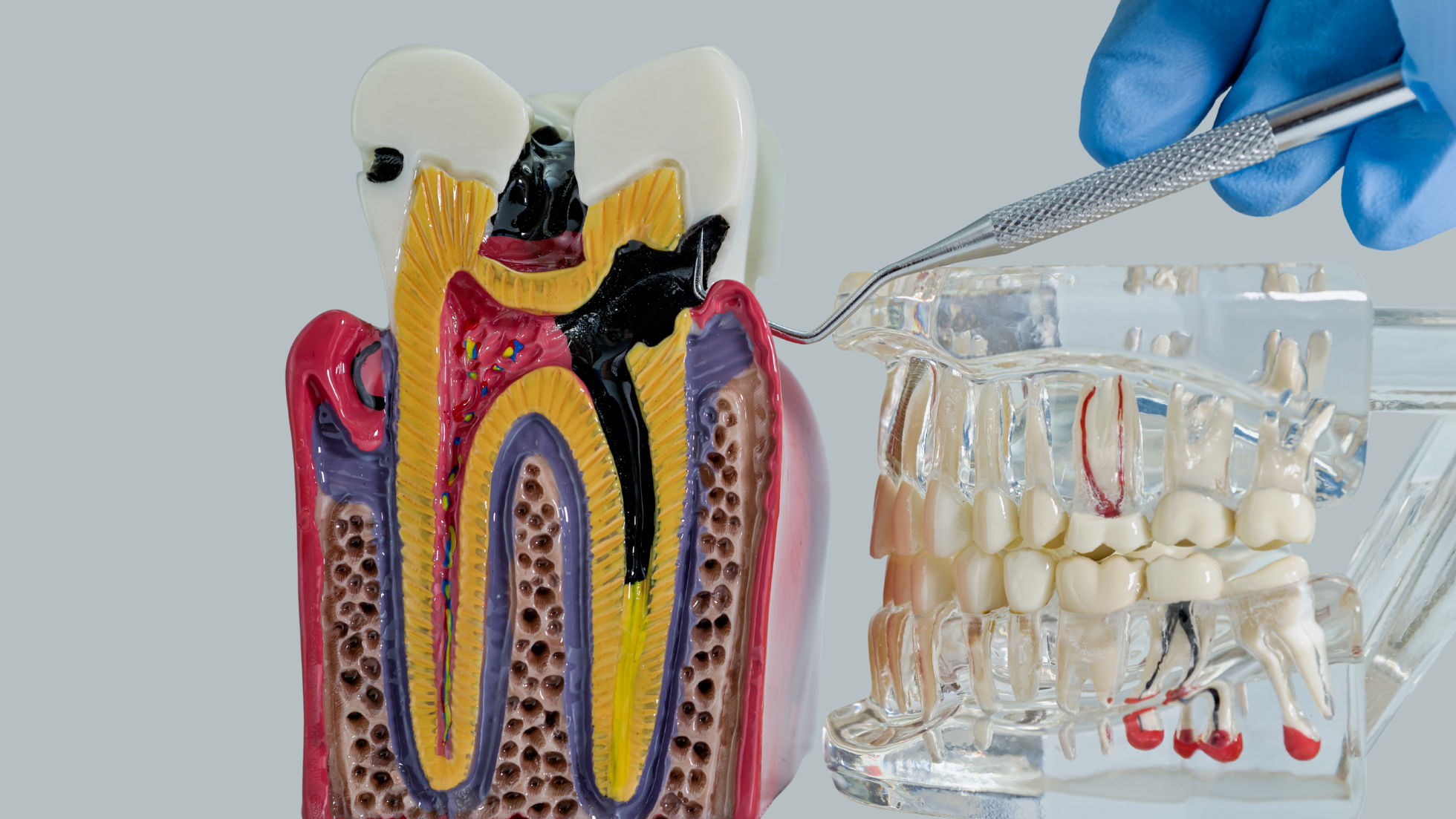
A root canal is done when the inner part of your tooth, called the pulp, becomes infected or inflamed. This pulp contains nerves, blood vessels, and connective tissue. Infection can happen due to deep decay, repeated dental work, cracks, or trauma to the tooth.
During the procedure, your dentist:
- Removes the infected pulp
- Cleans and disinfects the canals
- Fills and seals the tooth from the inside
Once this is done, the pain caused by infection is gone. The tooth is saved. But the tooth is no longer alive in the biological sense, and that changes how it behaves over time.
Why a Tooth Becomes Fragile After a Root Canal
After the pulp is removed, the tooth loses its blood supply. Over time, this leads to:
- Reduced moisture inside the tooth
- Increased brittleness
- Higher risk of cracks and fractures
The tooth may look fine from the outside, but structurally it’s weaker. This is the core reason crowns are often recommended after root canal treatment.
What Exactly Is a Dental Crown?
A dental crown is a cap that fully covers the visible part of a tooth above the gum line. It restores:
- Strength
- Shape
- Function
- Appearance
Crowns are custom-made to fit your bite and match your natural teeth. Once placed, the crown acts like armor, protecting the treated tooth from damage during chewing.
Is a Crown Always Required After a Root Canal?
The honest answer is no, not always. But in many cases, yes. Whether you need a crown depends on several factors.
Let’s look at when a crown is strongly recommended and when it may not be absolutely necessary.
When a Crown Is Strongly Recommended
Back Teeth (Molars and Premolars)
Molars and premolars do the heavy lifting when you chew. They experience significant pressure every day.
After a root canal, these teeth are at a high risk of cracking if left without a crown. Research consistently shows that root canal–treated back teeth without crowns fail far more often than those protected with crowns.
If your root canal was done on a molar, a crown isn’t just a suggestion. It’s protection.
Teeth With Large Cavities or Fillings
If a large portion of your tooth structure was already lost to decay, the remaining walls are thin and weak. A filling alone cannot hold the tooth together effectively.
A crown:
- Binds the remaining structure
- Prevents the tooth from splitting
- Extends the life of the tooth
Without a crown, these teeth are prone to sudden fractures.
Cracked or Fractured Teeth
If your tooth had cracks before the root canal, placing a crown becomes even more important. The crown distributes biting forces evenly and prevents cracks from spreading deeper into the tooth.
Long-Term Tooth Survival
If your goal is to keep your natural tooth for many years, a crown dramatically improves the success rate. A root canal combined with a crown is one of the most reliable treatments in modern dentistry.
When a Crown May Not Be Necessary
Front Teeth (Incisors and Canines)
Front teeth don’t handle heavy chewing forces. If:
- The tooth structure is mostly intact
- There’s minimal damage
- A small filling is sufficient
Then a crown may not be immediately required. In such cases, a high-quality composite filling can work well.
However, crowns may still be recommended for aesthetic reasons, especially if the tooth darkens after the root canal.
Temporary Situations
Sometimes patients delay getting a crown due to financial or personal reasons. Dentists may place a temporary filling or temporary crown as a short-term solution. This is not meant to last long but offers some protection until the permanent crown can be placed.
What Happens If You Skip the Crown?
This is where many patients run into trouble.
Without a crown:
- The tooth can crack unexpectedly
- Fractures may extend below the gum line
- The tooth may become impossible to save
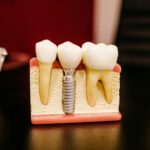
When this happens, extraction is often the only option. Replacing a missing tooth with an implant or bridge costs significantly more than placing a crown would have.
Skipping a crown may save money today, but it often leads to higher costs later.
How Long Will a Root Canal Tooth Last Without a Crown?
There’s no exact timeline. Some teeth crack within months. Others may last years. But the risk is always present, especially for back teeth.
With a crown, a root canal–treated tooth can last 10 to 20 years or more with proper care.
Understanding the Cost Aspect
When patients ask about Root Canal Treatment cost in bopal, it’s important to look at the full treatment plan. A root canal restores health. A crown restores strength.
A crown is not an optional luxury. In many cases, it’s a necessary step to protect the investment you’ve already made in saving the tooth.
Types of Crowns Available
Your dentist will recommend the best option based on function, aesthetics, and budget.
Common crown types include:
- Ceramic or porcelain crowns for a natural look
- Zirconia crowns for strength and durability
- Porcelain-fused-to-metal crowns for balance
- Metal crowns for maximum strength in non-visible areas
Each option has its benefits, and the right choice depends on your specific needs.
Is the Crown Procedure Painful?
Not at all. The process is usually comfortable.
The dentist prepares the tooth, takes impressions or digital scans, and places a temporary crown. Once the final crown is ready, it’s cemented securely. Most patients adapt to their crown within a few days.
How Long Does the Crown Process Take?
Typically:
- One visit for preparation
- One visit for final placement
Modern dental clinics with advanced equipment can ensure precise fitting and faster turnaround.
Caring for a Crowned Tooth
A crowned tooth needs the same care as a natural tooth:
- Brush twice daily
- Floss carefully around the crown
- Avoid chewing very hard objects
- Visit your dentist regularly
Crowns don’t decay, but the tooth underneath still can if oral hygiene is poor.
Common Myths About Crowns After Root Canal
Myth: The tooth is dead, so it won’t break
Truth: Dead teeth are more brittle and break more easily
Myth: Fillings are enough after a root canal
Truth: Fillings don’t protect the entire tooth structure
Myth: Crowns are only cosmetic
Truth: Crowns are primarily functional and protective
Making the Right Choice
The decision to place a crown should be based on:
- Tooth position
- Remaining structure
- Bite pressure
- Long-term goals
A good dentist explains the reasoning clearly and helps you choose what’s best for your situation.
Expert Care Matters
Every tooth is different. Personalized evaluation is essential for long-term success. At White Pearls Dental Clinic, treatment plans are designed with transparency and patient education in mind, helping patients make confident decisions about their oral health.
Final Thoughts
So, is a crown necessary after a root canal?
In most cases, yes. Especially for back teeth and structurally weakened teeth, a crown is what protects the tooth from breaking and extends its life.
A root canal saves the tooth from infection.
A crown saves it from fracture.
If you’re considering treatment or looking for a reliable Dental Clinic in Bopal, understanding the full picture helps you avoid future complications and unnecessary expenses. A well-informed decision today can protect your smile for years to come.