Root Canal Treatment (RCT) Demystified in South Bopal, Ahmedabad: Is It Really Painful?
For decades, the phrase root canal has made people uneasy. It’s one of those dental terms that instantly triggers fear of pain and long hours in the chair. But here’s the thing, most of that fear comes from myths, not facts. Root Canal Treatment in South Bopal (RCT) isn’t the nightmare it’s made out to be. In fact, with modern dentistry and the right approach, it can be one of the most effective and comfortable ways to save a tooth.
Let’s break down what an RCT really is, why it’s done, what to expect, and whether it actually hurts.
What Is a Root Canal Treatment?
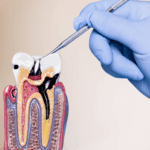
At its core, a root canal is a procedure that treats infection or damage inside the tooth. Every tooth has a soft tissue inside called pulp, which contains nerves and blood vessels. When this pulp becomes infected, due to deep decay, cracks, or trauma, it can cause severe pain and swelling.
If left untreated, the infection can spread to surrounding tissues or even lead to tooth loss. The root canal procedure removes this infected pulp, cleans the inner chamber, and seals it to prevent further infection. Essentially, it’s about saving your natural tooth instead of removing it.
Why Do People Need RCT?
There are a few common reasons why your dentist might recommend a root canal:
- Deep cavities that have reached the pulp
- Cracked or fractured teeth exposing the inner nerve
- Repeated dental treatments on the same tooth
- An injury that affects the tooth’s nerve, even without visible damage
If you’ve ever felt sharp pain while eating, lingering sensitivity to hot or cold, or swelling around a particular tooth, those can be signs that your tooth’s pulp is infected and may need treatment.
The Biggest Myth: “Root Canals Are Painful”
Let’s be clear, that might have been true decades ago. Not today. Modern dental technology, improved anesthesia, and precision tools have made RCT a routine and comfortable procedure.
Pain during a root canal isn’t from the treatment itself. It’s from the infection that made you visit the dentist in the first place. The procedure actually relieves pain. Once the infected pulp is removed and the area is cleaned, most patients feel immediate relief.
Think of it like this: avoiding a root canal because you fear pain only prolongs the actual suffering.
Step-by-Step: What Really Happens During an RCT
Here’s what the process looks like in reality:
- Examination and X-ray:
Your dentist examines the tooth and takes an X-ray to see the extent of infection. This helps plan the treatment precisely. - Local Anesthesia:
The area around the tooth is numbed completely. You stay awake but feel no pain, just mild pressure or vibration during the procedure. - Accessing the Pulp:
A small opening is made at the top of the tooth to reach the infected pulp. - Cleaning and Shaping:
The infected tissue is carefully removed using fine instruments. The canal is then cleaned and shaped to prepare for filling. - Filling the Canal:
Once clean, the canal is filled with a biocompatible material (usually gutta-percha) to seal it and prevent reinfection. - Sealing and Restoration:
Finally, a temporary or permanent filling is placed. In many cases, a dental crown is recommended afterward to strengthen the tooth and restore its natural look.
The entire process can take one or two sittings, depending on the tooth’s condition and the infection’s severity.
What You Feel During and After the Procedure
During the treatment, you shouldn’t feel pain, only mild pressure or vibration. After the anesthesia wears off, it’s normal to feel slight tenderness for a day or two, especially if the tooth was severely infected before.
Over-the-counter painkillers are usually enough to manage any discomfort. Most people return to normal activities the same or the next day. The tooth might feel a bit different for a short time, but it gradually settles down.
If pain persists beyond a few days, it’s best to follow up with your dentist, but in most cases, healing is smooth.
How RCT Helps You in the Long Run
Choosing to go through with a root canal isn’t just about stopping pain; it’s about protecting your oral health in the long term. Here’s what you gain:
- Saves your natural tooth: No replacement can match your original tooth’s strength or appearance.
- Prevents infection spread: Keeps bacteria from affecting nearby teeth or the jawbone.
- Restores chewing and function: You can eat normally without fear or sensitivity.
- Improves smile aesthetics: Especially when paired with a crown, it looks and feels completely natural.
And here’s an underrated benefit: avoiding more expensive treatments later. Once a tooth is extracted, you might need implants or bridges, which cost more and take longer to complete.
Myths vs. Facts About RCT
Myth 1: Root canals cause illness.
Fact: There’s no scientific evidence linking RCT to any systemic diseases. It’s a safe and widely performed dental procedure.
Myth 2: It’s better to extract the tooth.
Fact: Extraction should always be a last resort. Keeping your natural tooth is almost always the healthier choice.
Myth 3: The tooth becomes weak after RCT.
Fact: Once the tooth is restored with a crown, it’s as strong and functional as before, sometimes even stronger.
Preparing Yourself Mentally
A big part of dental anxiety is psychological. The more you know, the less you fear. If you’re anxious, tell your dentist. A good dentist will walk you through every step and make sure you’re comfortable.
Simple relaxation techniques, like deep breathing or listening to calming music during treatment, can also help. Remember, this is a short procedure with long-term benefits.
Choosing the Right Dentist Clinic in South Bopal
If you’re looking for an experienced dentist clinic in South Bopal, prioritize one that uses modern technology, digital X-rays, and rotary endodontics. These tools make the process faster, more accurate, and more comfortable. Also, check for reviews and testimonials to understand patient experiences.
A good clinic doesn’t just perform a root canal; it makes sure you understand every step and feel at ease throughout.
Final Thoughts
Root Canal Treatment isn’t something to fear; it’s something to appreciate. It’s a safe, predictable, and effective way to save your natural teeth and protect your oral health. What once carried a reputation for pain is now a routine, pain-free procedure in the hands of skilled professionals.
The truth is, most patients who undergo RCT end up saying the same thing afterward: “That wasn’t bad at all.”
If you’ve been putting off dental care because of fear or uncertainty, now’s the time to move past it. Modern dentistry has changed, and your comfort is at the center of it.
At White Pearls Dental Clinic, patients often discover that what they feared for years was simply a misunderstood procedure, one that brings lasting relief, confidence, and a healthy smile.